Man with van in East Sheen

Our man with van in East Sheen service is built for practical local moves that need careful loading, sensible planning and straightforward transport. We help with household items, single bulky pieces and smaller move days where a full-size removal lorry would be more than you need. The aim is simple: keep the job organised, protect your belongings and make the journey between properties or collection points as smooth as possible.
If you are moving within South West London, collecting furniture from a seller, or shifting items into storage, a van-led service can be a good fit. We can support one-off moves and mixed loads, and we keep the work focused on safe handling, clear vehicle space and efficient use of time. For a broader overview of our service range, see our removal services page.
Tell us what needs moving, how accessible the premises are and whether any items need disassembly or extra wrapping. A clear description helps us understand the scope quickly, especially when stair access, parking restrictions or awkward furniture shapes are involved. If you are comparing options, our pricing and quotes page explains how estimates are usually put together.
House moves and smaller domestic removals
Domestic jobs often need a flexible approach rather than a one-size-fits-all vehicle. A man and van setup can suit studio moves, flat moves, partial house removals and the transport of selected rooms’ contents. It is also useful when your belongings are split between a few places, such as a main property, a storage unit and a family address. The benefit is not just vehicle size, but the way the move can be planned around the actual load.
We can handle common household pieces such as beds, sofas, tables, white goods and boxed possessions, as well as more fragile items that benefit from steady loading. Where a property contains a mix of large and small items, we organise the van so that heavier pieces sit securely and lighter items are not crushed. If you are comparing domestic solutions, our home moves page and house removals page set out related options.
For many customers, the biggest value lies in matching the service to the real job. A compact move can be handled without overcomplicating the day, while a slightly larger household move may still fit comfortably within a van-based plan. The key is to think in terms of access, volume and handling needs rather than simply counting rooms. That is why clear item lists are so useful before the move begins.
Single items, furniture and awkward collections

Not every booking is a full move. Sometimes the task is to collect a sofa, transport a wardrobe, move an appliance, or take a few pieces between properties. A van service is well suited to these jobs because it keeps the transport practical without requiring you to organise more vehicle space than necessary. It also helps when items are too bulky for a car but not extensive enough to justify a large removal team.
Furniture transport benefits from calm, methodical handling. We can move individual pieces that need a careful lift, position them so that surfaces are protected and make sure they are loaded in a way that reduces shifting in transit. Where needed, we can also discuss how to prepare items for collection so that drawers, loose shelves or detachable parts are managed properly. For related collections, our furniture pick-up page may be useful.
Some furniture jobs are simple, while others involve tight corridors, limited parking or the need to work around existing fittings. In those cases, it helps to describe the route from door to van and any bulky pieces that may need extra care. If you are arranging a removal from an online marketplace purchase or a relocation between two addresses, the same approach applies: keep the information practical and specific, then let the transport be organised around that plan.
Packing, loading and protection
Packing is often the difference between a move that feels controlled and one that feels rushed. Our packing and unpacking support is designed to make the job easier where you want extra help with boxing, wrapping or settling items into the new place. Good packing keeps surfaces cleaner, prevents loose contents from escaping and gives fragile items a better chance of arriving intact. It also makes loading more efficient because boxes stack more securely.
When wrapping is needed, the emphasis should be on sensible protection rather than excess material. Soft items, breakables and mixed household loads each need slightly different handling. A well-packed job makes better use of the available van space and reduces the chance that awkward shapes will press against more delicate pieces. If you need support beyond transport itself, see our packing and unpacking services page for a fuller explanation of that option.
Practical preparation is usually straightforward. Label the items that should stay upright, separate what you need immediate access to, and mention any pieces that need dismantling before collection. If parking is limited or there is a narrow access route, that should be mentioned early as well. Small details can make a noticeable difference to timing and loading efficiency, especially where the route includes stairs or shared entrances.
Commercial moves and office transport

We also support commercial moves where the priority is to transport furniture, boxes, files or equipment in an orderly way. A van-based move can be suitable for small offices, satellite spaces, studio setups and partial relocations where only selected assets need to go. The focus is on keeping the items grouped properly, ensuring they are handled safely and helping the move fit around working patterns where possible.
Office transport often includes desks, chairs, storage units, boxed records and lightweight equipment that needs stable placement in the vehicle. Where items are dismantled, the components should be kept together so that reassembly later is easier. If you are planning a workplace relocation or a smaller business move, our office removals and commercial moves pages outline the main types of work we cover.
Commercial customers usually want clarity about what is being taken, where it needs to go and whether any objects need priority handling. The simplest way to approach this is to identify the furniture, the boxes, the equipment and any access issues in one short list. That gives a cleaner picture of the job and helps make sure the transport side is aligned with the space, timing and load mix involved.
How van-based removals are planned
Good planning begins with the move itself rather than with the vehicle. A van should be selected around the shape, weight and access profile of the load, whether the task is a flat move, a collection from storage or the transport of furniture to another part of London. This is why van services can be particularly useful for people who want a practical solution without unnecessary overheads.
The load plan may need to take account of items that cannot be stacked, pieces that must stay level, or boxes that should be loaded last for easier unloading. It is also sensible to think about the order of collection and drop-off when there is more than one stop. For customers who like to compare similar transport choices, our man and van page and moving van page show related service wording.
A well-organised van job usually depends on a few simple decisions: what travels first, what needs wrapping, what should be dismantled and whether the destination is straightforward to access. None of these points need to become complicated, but they do make a difference to the efficiency of the day. The more clearly the move is described at the outset, the easier it is to match the transport to the work.
Delivery, collection and flexible transport options

Some bookings are more like transport support than a classic removal. You may need help collecting purchased furniture, transferring items between addresses, or moving belongings into a temporary holding space. A man with van service is often a neat fit for these situations because it can handle a single journey or a small sequence of stops without requiring a larger moving setup. That keeps the process simpler for the customer.
When the job includes collections, the condition and dimensions of the items matter as much as the destination. A tall cabinet, a boxed appliance or a bundle of mixed household pieces each has its own loading shape, so it helps to mention sizes and any delicate finishes in advance. If the work involves a broader set of transport tasks, our removals page and man with van page can help you compare the general structure of the service.
Flexible transport is especially useful when plans are not fixed far in advance or when the load changes during the week. The service can be shaped around the items you actually need to move rather than an oversized moving format. That practical approach is often the reason customers choose a van-led option for a limited number of pieces, a short-notice transfer or a collection that needs careful but uncomplicated handling.
About East Sheen
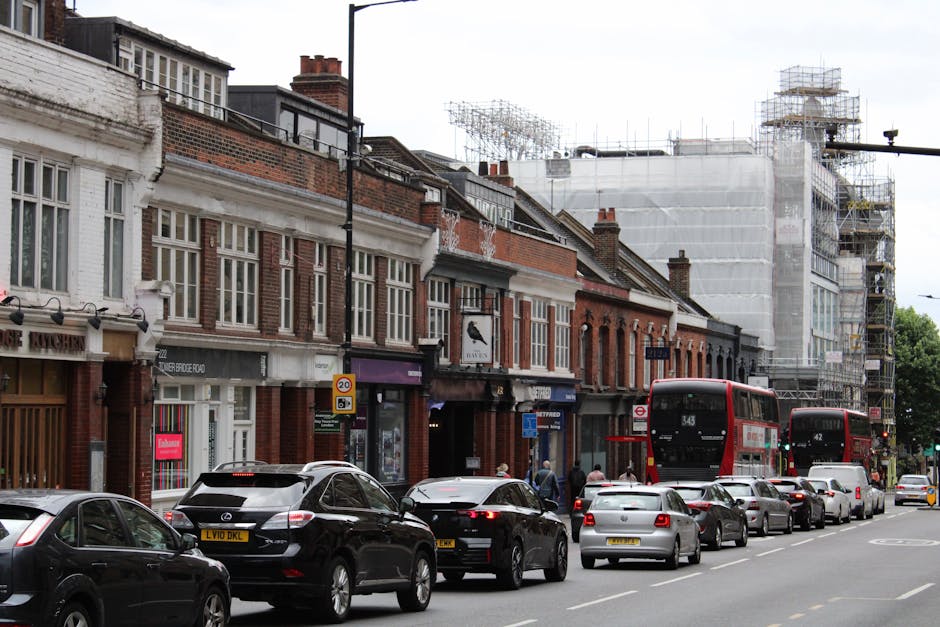
East Sheen is a residential district in the London Borough of Richmond upon Thames, set on the south-western side of the capital between Richmond, Mortlake and Barnes. Its character is shaped by a mix of quieter suburban streets, local shopping parades and access to larger open spaces nearby. One of the area’s best-known features is Richmond Park, whose eastern edge reaches close to the district and gives many streets an unusually green setting for inner south-west London. The park itself is a vast Royal Park with deer, open grassland and long-established routes for walking and cycling, making it a major landmark in the local landscape. East Sheen’s High Street provides a compact commercial centre, while residential roads spread out towards the boundary with neighbouring areas. The district is also associated with Sheen Mount and other local schools, as well as a community life that reflects both its village-like scale and its position within Greater London. Historically, the wider Sheen name connects to the former Royal Palace of Sheen, later Richmond Palace, which helps explain why the area carries a sense of long continuity even though much of the built environment is modern suburban housing. Along the nearby Thames corridor, Mortlake and Barnes connect East Sheen to river-related routes, local pubs, churches and period architecture that give the broader area a varied architectural mix. The result is a place that combines everyday residential convenience with access to well-known historic and natural landmarks.
Access, timing and load considerations
Van work is usually easiest when access is thought through before the day begins. That means considering stairs, lifts, narrow hallways, shared driveways, parking restrictions and the distance between the property and the vehicle. These details do not need to be dramatic; they simply help the job run in a tidy order. If an item is unusually heavy or awkward, that should be mentioned alongside its size so that the move can be planned around it.
Timing matters too, especially where access is limited or multiple stops are involved. A load that is easy to reach from the ground floor is very different from one that must be carried through several levels or across a long internal route. Where a customer has photos or a short inventory, those can be helpful for building a more accurate picture of the work. Good information up front usually leads to a smoother loading plan and fewer surprises on the day.
It can also help to group related items together before the move begins. Boxes for one room, furniture from another and loose accessories should ideally be separated so that unloading is easier later. If dismantling is required, keep fastenings and parts together in labelled bags. Small organisational steps like these do not add much time, but they make the whole transport process more manageable from start to finish.
Pricing factors and quotation requests

Move pricing normally depends on a handful of practical factors: the amount of space the load occupies, the distance travelled, how easy the collection and delivery points are to reach, and whether the job includes wrapping, dismantling or multiple stops. A short single-item collection will not be priced in the same way as a larger domestic move, because the vehicle space and handling time are different. That is why a clear description matters.
When you request a quotation, the most useful details are usually the item list, the postcode area, access notes and any timing preferences. If there are fragile pieces, unusual dimensions or restricted parking, include that as well. You can request a quotation once you have gathered the basics, or simply start by asking what information is needed for a more accurate estimate. Our contact us page is the place to begin that conversation.
If you are ready to compare options, keep it simple: outline the load, note the addresses involved and mention anything that needs extra care. We can then look at the right van-led approach for the move and discuss the practical steps needed to complete it. For reassurance around handling standards, our insurance and safety page sets out the safety-focused side of the service.
Reasons customers choose a van service
A van service suits people who want a straightforward way to move fewer items, or who need a practical transport option without arranging a full-scale removal. It can work well for buyers collecting furniture, households shifting selected rooms, and businesses moving a modest amount of stock or equipment. The common thread is flexibility: the service can be sized to the job rather than forcing the job to fit an oversized plan.
It also gives customers a sensible middle ground between doing everything themselves and booking a larger move than necessary. When the route, access and load are relatively manageable, the van format keeps the process economical in effort, space and organisation. If you are still comparing services, our man with a van and movers pages provide additional general wording around similar transport choices.
For many people, the appeal is simply having one transport arrangement that can adapt to the task. A move may involve a sofa, several boxes and a small amount of equipment; another may involve a storage drop, a furniture collection and a short onward delivery. In each case, the service can be kept focused on the real items involved instead of adding unnecessary complexity.