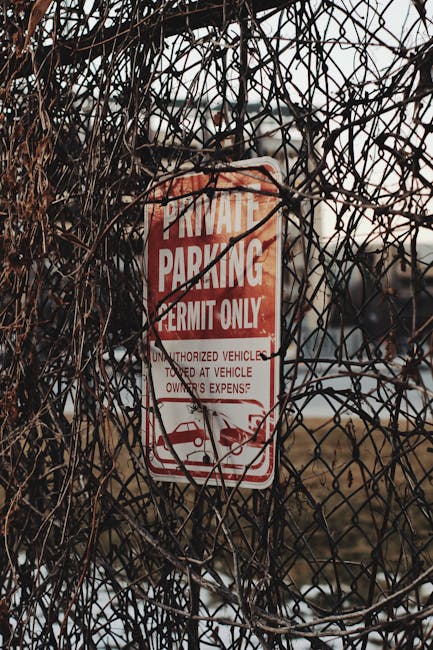
Avoid fines: loading permits on Upper Richmond Rd
Posted on 18/06/2026

If you are planning a move, a delivery, or even a short loading stop on Upper Richmond Rd, the permit question can bite fast. One minute you are trying to unload a sofa or stack boxes; the next, you are worrying about whether the van is parked legally, whether the bay is restricted, and whether a penalty is already on its way. That is exactly why loading permits on Upper Richmond Rd matter. They are not glamorous, not remotely exciting, but they can save you from avoidable stress, delays, and fines.
This guide breaks the process down in plain English. You will learn how loading permits usually work, when they make sense, what mistakes cause the most trouble, and how to plan a smoother move around road restrictions. If you are juggling furniture, timing, access, or a tight moving window, a little preparation goes a long way. Truth be told, half the battle is just knowing what to check before the van door swings open.
Why loading permits on Upper Richmond Rd matter
Upper Richmond Rd is one of those roads where timing, access, and kerbside rules can quickly turn a straightforward job into a headache. The street can be busy, parking spaces can be tight, and loading areas are rarely something you want to assume about. If your vehicle stops in the wrong place, or stays longer than allowed, you risk a ticket. Simple as that.
For moving day, that risk matters because your van is not just a van. It is the bridge between your property and the new place. If that bridge is blocked by parking restrictions, unclear signage, or the need to keep the loading bay free, everything slows down. Boxes get left on pavements, porters wait around, and costs creep up. That is where a loading permit, or the right local parking arrangement, becomes more than admin. It becomes part of the move itself.
In our experience, the people who avoid fines are rarely the ones with the biggest vans or the most muscle. They are the ones who plan the loading stop properly, check the street conditions early, and leave a bit of slack in the schedule. A sensible moving plan, like the one outlined in this calm moving-plan guide, often matters more than speed.
Expert summary: if your vehicle is going to pause on Upper Richmond Rd for loading or unloading, do not treat it as an afterthought. Confirm the street rules, build in time for delays, and assume the busiest moments are the least forgiving. That one habit prevents a lot of unnecessary trouble.
How loading permits on Upper Richmond Rd work in practice
Exact permit arrangements depend on the local authority and the specific stretch of road. That is important, because a road can have different rules at different times of day, and restrictions may vary between loading only, pay-and-display, suspended bays, yellow lines, or resident-only parking. Upper Richmond Rd is no place for guesswork.
At a practical level, a loading permit or loading dispensation usually serves one of two purposes:
- it gives temporary permission to stop in a restricted place for loading or unloading;
- it helps prove that the vehicle was there for a legitimate moving-related purpose, not casual parking.
You may need to provide the vehicle details, proposed times, the exact location, and the reason for the stop. Depending on the situation, the council may ask for notice in advance. Sometimes you can use an authorised loading bay; sometimes you may need a separate arrangement if the bay is normally restricted. Don't assume the process is identical for every address on the road. It rarely is.
The practical takeaway is this: the permit is not just paperwork. It is a time window. If your team arrives late, or you take too long to load, the protection may no longer apply. That is why careful packing and a clear unloading sequence matter. If your boxes are already organised, the van is parked, and the heavy items are separated in advance, you move faster and with less risk. For a better packing rhythm, packing advice for a smoother move can help.
And yes, even a short delay can matter. A quick coffee run, one missing key, or a mattress that refuses to turn the corner can be enough to run over the permitted stop. Not ideal, as you can imagine.
Key benefits and practical advantages
The most obvious benefit is avoiding fines. That alone is worth the effort. But there are a few other gains that people often overlook until moving day is already noisy and slightly chaotic.
- Less risk of penalty notices if the vehicle must stop on or near restricted kerb space.
- Smoother loading times because the team knows exactly where the vehicle can sit.
- Better coordination between movers, residents, and building access windows.
- Reduced carrying distance, which helps with heavy furniture and fragile items.
- Less street congestion stress when you are trying to keep the pavement clear and the job moving.
That last point is a big one. When a van has to park far away because nobody checked the road rules, every box becomes a longer walk. A dining chair might be manageable. A wardrobe? Not so much. If you are moving larger items, the right planning can protect the item and the people carrying it. You can read more on safer handling in kinetic lifting basics and the more practical realities of solo heavy-object lifting.
There is also a nice knock-on effect: a proper loading arrangement helps you keep the move calm. Not perfectly calm, let's be honest, but calmer. Less faffing around, fewer back-and-forth trips, fewer arguments about where the tape went. That matters on a wet London morning when everyone is already slightly short on patience.
Who needs this and when it makes sense
Loading permits on Upper Richmond Rd are most relevant for people and businesses that need to stop briefly and legitimately for moving or delivery work. That includes a wider set of situations than many people expect.
- Home movers shifting out of or into flats, houses, or maisonettes along the road.
- Landlords and agents arranging furniture swaps, end-of-tenancy clearances, or viewings with equipment.
- Small businesses receiving stock, office items, or fit-out materials.
- Students who are moving into furnished or partially furnished accommodation and need a quick unload.
- People using a man and van service where the vehicle needs a proper roadside stop to work efficiently.
It also makes sense if you are working to a narrow time slot. Maybe the lift is booked for 20 minutes. Maybe the building manager has said the entrance can only be used at a certain time. Or maybe you have fragile items that need a predictable handover, such as a piano, a freezer, or a sofa that has to be handled carefully. In those cases, a permit or loading plan can be the difference between a clean transfer and a messy one.
If you are moving bulky furniture, the difference becomes even more obvious. A shorter carry means less chance of damage and less strain on everyone involved. For item-specific planning, it can help to look at furniture removals support or the more specialised piano removals page if your move includes anything unusually awkward.
Step-by-step guidance
Here is the straightforward way to approach the job without getting lost in the details.
- Check the exact street location. Confirm the number, side of the road, and whether the vehicle will be on a bay, yellow line, or access route.
- Read the visible signs on the day. Signs can overrule assumptions. A loading bay might look usable but still have time limits or hidden conditions.
- Work out how long loading will really take. Include stairs, lift delays, furniture wrapping, and the time needed to carry items safely.
- Arrange any required permit or dispensation in advance. Do not leave this until the morning of the move unless the situation truly is urgent.
- Confirm vehicle details. Registration, size, and arrival time should match the booking or permit records.
- Prepare your items before the van arrives. Loose packing and last-minute sorting eat into the loading window.
- Keep essentials separate. Documents, keys, medication, chargers, and valuables should not be buried in a random box.
- Take photos if needed. A quick record of signage and vehicle position can be useful if there is later confusion.
A practical trick: split the move into "fast load" and "slow load" items. Fast load items are labelled boxes, light bags, and smaller objects. Slow load items are heavy furniture, awkward appliances, and anything that needs two people and a bit of concentration. This simple split helps you use your permit window efficiently. It sounds minor, but it really helps.
If your move is at short notice, a service that handles urgent jobs may be helpful. See how same-day removals are typically arranged so you know what to expect if the schedule suddenly tightens.
Expert tips for better results
Most permit problems are not dramatic. They are boring little mistakes: wrong timing, bad parking assumptions, or loading that takes longer than expected. So the best advice is often the least flashy.
- Build in buffer time. If you think loading will take 45 minutes, plan for an hour.
- Pack by carry order. Put the first-load boxes nearest the door, not the heavy or awkward ones.
- Protect access routes. A clear hallway and open doorway save time and reduce friction with neighbours.
- Use proper lifting technique. Even a short curbside carry can strain backs and shoulders if rushed.
- Keep communication tight. One person should direct the team so the van is not being repositioned every five minutes.
- Plan around peak road activity. A later start can mean more traffic and fewer parking options. Common sense, really.
Another good habit is to reduce the total load before moving day. Decluttering saves space, shortens loading time, and can reduce the number of trips you need. If you want a practical way to do that without spiralling into a weekend-long sort-out, these pre-move decluttering tips are worth a look.
And for the bigger stuff, don't be heroic. Everyone likes to think they can muscle a wardrobe down a narrow entrance at 8:15 in the morning. Then the angle is wrong, someone's fingers are in the path, and the whole thing becomes a comedy sketch with expensive consequences. Use the right help where it counts. That's not over-cautious; it's just sensible.

Common mistakes to avoid
If you only remember one section of this article, make it this one. The same problems show up again and again.
- Assuming loading is automatically allowed. A brief stop is not always a free stop.
- Ignoring road signs because the street looks quiet. Quiet does not mean permitted.
- Underestimating loading time. Heavy furniture and stairs always take longer than hoped.
- Leaving permit checks until the day itself. By then, your options may be limited.
- Parking too far away from the entrance. That creates long carries and more congestion.
- Mixing packed and unpacked items. It slows everything down and creates confusion inside the vehicle.
- Forgetting neighbour access. Blocking a doorway or path can cause complaints or, worse, intervention.
There is a smaller mistake people make too: not checking whether the move needs different arrangements for different parts of the job. For example, one van may be fine for the flat, but the loading point on the road may still need a separate parking strategy. If your route involves a tight-access property, the practical advice in this parking and access guide is especially relevant.
To be fair, most of these errors are easy to avoid. They happen when people rush. A little attention at the start saves a lot of noise later.
Tools, resources and recommendations
You do not need fancy equipment to manage a loading permit properly. But a few simple tools make the whole process far easier.
| Tool or resource | What it helps with | Why it is useful |
|---|---|---|
| Printed parking notes | Recording sign details and timing | Useful if there is any dispute later |
| Moving labels | Keeping boxes in load order | Saves time during the permit window |
| Protective blankets and straps | Safeguarding furniture in transit | Reduces damage and repeated handling |
| Inventory list | Tracking what enters and leaves the property | Helps with coordination and missing-item checks |
| Storage option | Holding items if access timing is awkward | Handy when move-in and loading windows do not line up |
If your move is not perfectly timed, temporary storage can make life much easier. A nearby storage option gives you breathing room if the van cannot stay parked long enough or if the new property is not ready yet. You can explore storage in East Sheen if you need more flexibility.
For households moving a mix of furniture, boxes, and specialist items, a broader overview of local services can also be useful. The services overview gives you a sense of how different moving needs fit together, without turning the whole thing into a maze of separate bookings.
Law, compliance, standards, or best practice
For this topic, the safest approach is to treat compliance seriously and conservatively. Parking and loading rules can change depending on local restrictions, enforcement patterns, and the exact position of the vehicle. That means you should never rely on memory, a neighbour's suggestion, or what "usually works".
Best practice usually includes the following:
- checking all roadside signs before stopping;
- making sure the vehicle is only in the loading space for the permitted purpose and period;
- keeping the loading activity continuous where required;
- ensuring the vehicle details match whatever permission has been arranged;
- staying alert to nearby restrictions such as yellow lines, bus stops, resident bays, or suspension notices.
It is also wise to treat the permit as part of your wider safety and logistics plan, not just a parking fix. Good loading practice reduces obstruction, keeps the pavement usable, and lowers the chance of rushed handling. If you are moving heavier or fragile items, the same mindset applies to safety planning. A helpful reference point is insurance and safety guidance, which reinforces why preparation matters even before the van starts moving.
One more thing: if a move involves waste, old furniture, or clearance work, make sure you are not treating it like a normal load if it is not. Waste handling and removal need their own care. The article on estate clearance and council rules is useful background if your job includes more than just a standard home move.
Options, methods, or comparison table
There is more than one way to manage roadside loading on Upper Richmond Rd. The right choice depends on timing, vehicle size, and how much you are moving.
| Approach | Best for | Pros | Watch-outs |
|---|---|---|---|
| Dedicated loading permit or dispensation | Moves needing a planned roadside stop | Clearer protection, easier to coordinate | May require advance notice and accurate details |
| Using a legal loading bay | Short, controlled loading windows | Convenient if the bay is available and suitable | Time limits can be tight |
| Timed vehicle arrival with fast loading | Smaller moves with light items | Simple, low admin | Risky if the job takes longer than expected |
| Use of storage and split move | Complicated access or delayed handover | Reduces pressure on the loading window | Extra handling and possible added cost |
For many households, the smartest setup is a combination: organise the move, pack tightly, use a loading arrangement where needed, and keep a storage backup in case access gets awkward. If you are not sure what kind of move you are actually dealing with, the local pages on man and van support and removal services can help you think through the practical side.
Case study or real-world example
Here is a simple real-world style example. A couple moving from a flat near Upper Richmond Rd had a narrow loading window because the building's lift was shared and the van could only stop close to the entrance. They originally assumed they could just pull up, unload quickly, and be done. Then they checked the road layout properly and realised the stopping point would need more care than expected.
They split the move into two phases. First: labelled boxes, kitchen items, and soft goods. Second: furniture and awkward pieces after the easy load was out of the way. They also pre-wrapped a sofa, detached the bed frame before the van arrived, and kept the hallway clear. Nothing fancy. Just sensible prep.
The result was not magical. It was practical. The loading happened within the planned window, the vehicle was not left guessing at the kerb, and the carry distance stayed manageable. There was still the usual moving-day noise, a bit of swearing under the breath, and one box that seemed determined to split at the bottom. But the important bit was this: no scramble, no avoidable fine, and no last-minute parking panic.
If your move includes a sofa, a bed, a freezer, or a piano, that sort of planning becomes even more valuable. You can see related handling guidance on sofa protection during storage, bed and mattress relocation, and freezer storage and care.
Practical checklist
Use this checklist before the van pulls up. It keeps the whole thing clean and predictable.
- Confirm the exact address and loading side of the road.
- Read the parking signs near the stop location.
- Check whether a loading permit or dispensation is needed.
- Allow extra time for stairs, lifts, and carrying distance.
- Label boxes by room and load order.
- Set aside essentials and valuables separately.
- Prepare heavy furniture before arrival where possible.
- Keep access routes inside the property clear.
- Confirm vehicle registration and arrival timing.
- Have a backup plan if access is delayed or parking changes unexpectedly.
It helps to think of this as a small pre-flight check. Not dramatic, just tidy. And a tidy move is usually a cheaper move, or at least a less annoying one.
Get a free quote today and see how much you can save.
Conclusion
Avoiding fines on Upper Richmond Rd is mostly about preparation, not luck. If you understand the loading rules, plan the timing, and make sure your vehicle stop is genuinely lawful, you take a lot of pressure out of the day. That frees you up to focus on the real work: getting your belongings moved safely and without chaos.
The best approach is usually simple. Check the location, respect the signage, load efficiently, and leave yourself a buffer. If the job is larger or the access is awkward, build in support early rather than trying to improvise later. That single decision can save time, stress, and money. And honestly, on moving day, that is worth quite a lot.
If you are planning a move, a delivery, or a clearance job along Upper Richmond Rd, take the permit side seriously and you will usually find the rest becomes much easier. A bit of care now beats a fine later. Every time.