Eco disposal options in East Sheen: donate, recycle, reuse
Posted on 26/06/2026
If you are clearing a home, downsizing, or simply facing the awkward reality of "what do I do with all this stuff?", eco disposal options in East Sheen can save time, reduce waste, and make the whole job feel a lot less messy. The best approach is usually not one single method. It is a mix: donate the items with life left in them, recycle the materials that can be processed properly, and reuse anything that still has practical value. Simple in theory. A bit more fiddly in real life, as you probably know.
This guide walks through how to sort items sensibly, what to do with furniture and household goods, where reuse fits in, and how to avoid the common traps that lead to unnecessary dumping. It also includes local moving and clearance context, because in East Sheen, disposal often happens right in the middle of a move, a declutter, or a same-week property handover.
Why eco disposal matters in East Sheen
Eco disposal is not just a feel-good label. It is a practical way to stop usable items from becoming rubbish too early. In a place like East Sheen, where people often move within flats, family homes, or small businesses, there is a steady flow of furniture, appliances, books, clothes, boxes, and odd items that still have value. A chair with a wobbly leg is not automatically waste. Nor is a lamp, a mirror, or that spare table you kept "just in case".
Why does this matter locally? For one thing, it makes moving far less stressful. A tidy, sorted home is easier to pack, easier to carry through hallways, and easier to hand over cleanly. If you have already read practical decluttering advice before a move, you will know how much lighter the job feels once the surplus is gone. There is also the obvious environmental side: fewer items thrown away, fewer unnecessary collections, and more efficient use of materials already in circulation.
And let's be honest, most people do not want to spend their weekend standing over a pile of mixed rubbish bags wondering which bits are recyclable. A clearer process helps. It also reduces the chance of leaving hazardous or bulky waste in the wrong place, which can become expensive or just plain awkward.
How eco disposal options in East Sheen works in practice
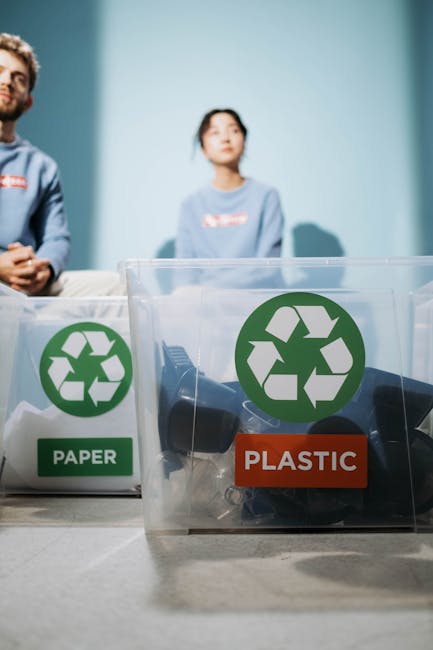
The easiest way to think about eco disposal is to sort items into three paths:
- Donate items that are clean, safe, and still useful.
- Recycle materials that can be separated and processed properly.
- Reuse items in your own home, in storage, or through a second-life plan.
That sounds simple, but the real skill is deciding which path each item should take. A sturdy bookshelf may be better reused in a guest room. A working toaster may be donation-ready. Broken mixed-material items, on the other hand, might need recycling or a specialist collection. This sorting step is where most of the value is won or lost.
In a move, the process often happens in phases. First, you identify what you will keep. Then you separate items to donate, recycle, or reuse. After that, you decide what must be removed urgently, what can wait, and what should be stored for a while. If you are juggling space issues too, short-term storage in East Sheen can be a sensible bridge while you work through decisions at a calmer pace.
There is also a practical moving angle. Some items are not ready for disposal until they have been dismantled, cleaned, or made safe to carry. You may need to think about lift access, stairwells, or whether a bulky piece needs two people. That is where a bit of planning saves a headache later. Not glamorous, but effective.
Key benefits and practical advantages
Eco disposal is worth the effort because it improves the outcome on several fronts at once. It is not only about the planet, although that matters. It also makes the move itself more efficient and less costly in practical terms.
First, it reduces waste volume. If you donate a usable sofa rather than dumping it, you free up space and cut down on the number of items going to disposal. That can make the whole move cleaner and more organised.
Second, it keeps value in circulation. A lot of household items still have life left in them. Reuse and donation let another household benefit instead of buying new. To be fair, that is often better for the wallet as well as the environment.
Third, it simplifies lifting and transport. Fewer items mean fewer trips, fewer loading decisions, and less chance of injuries or damage. If you are handling bulky pieces, the basics of safe movement matter. For a refresher, you may find kinetic lifting essentials helpful, especially when a heavy wardrobe seems to have a personal vendetta against your back.
Fourth, it can make the property presentable faster. A clear-out ahead of handover or sale often creates a nicer finish. People tend to notice calm, uncluttered rooms. They also notice if the hallway is full of half-packed boxes and one sad broken chair. That one always seems to be there.
Expert summary: The smartest eco disposal plan is usually the one that starts early, separates items carefully, and keeps reusable goods out of the waste stream for as long as safely possible.
Who this is for and when it makes sense
This approach is useful for a lot of people in East Sheen, not just those doing a full house clear-out. In fact, some of the best results come from small, ordinary situations rather than dramatic ones.
- Home movers who want to clear out old furniture before a packing day.
- Flat movers with limited storage and awkward stair access.
- Families replacing children's furniture, toys, or spare appliances.
- Students who are moving cheaply and need a quick, tidy reset.
- Office or shop owners clearing desks, shelving, fixtures, or archive materials.
- Landlords and agents dealing with end-of-tenancy clearances.
- Anyone downsizing from a larger home into a smaller one.
It also makes sense when you are under time pressure. If you have a completion date, a tenancy deadline, or a same-week move, the best plan is to decide early what can be donated, what should be reused, and what genuinely needs recycling. A rushed clear-out is where people start skipping the better options. That is understandable, but not ideal.
For heavier or awkward items, a little professional support can be helpful. A man and van service in East Sheen can make collection simpler, especially if you have large furniture going to different destinations. If the job is a bigger one, removals in East Sheen may be a more suitable fit. Not every clear-out needs a full team, but some do.
Step-by-step guidance
Here is a practical process you can actually use without turning the weekend into a logistics seminar.
-
Make three sorting zones.
Set up separate spaces for donate, recycle, and reuse. Use labels if needed. If you are in a cramped flat, even three corners of one room can work. The point is to stop mixed piles from becoming one confusing mound.
-
Check condition honestly.
Ask whether an item is clean, safe, and functional. Would you give it to a friend without apology? If not, it probably needs another route. Donation should be generous, but it should also be fair to the next person.
-
Separate materials where possible.
Cardboard, metal, certain plastics, and textiles are often easier to deal with once they are split out. Mixed waste is where things get messy. If you can unscrew a table leg or flatten boxes, do it.
-
Decide what can be reused immediately.
Some items do not need to leave the property at all. Storage boxes, shelving, laundry baskets, and spare lamps may simply move room to room. That is reuse too, and it counts. A surprising number of "disposal" problems disappear once you stop treating every item as throwaway.
-
Arrange the right removal method.
Bulky items may need collection, loading help, or temporary storage before they are handed on. When you are working around tight windows, parking limits, or awkward access, timing matters. If your move is urgent, same-day removals in East Sheen can be useful for fast turnaround, provided the items are ready to go.
-
Keep a record of what leaves.
A simple notes app or scrap of paper is enough. Useful when you are juggling donations, recycling, and collection times. It sounds overly neat, perhaps, but it stops the classic "where did that cable box go?" moment later on.
If you are preparing for a bigger move alongside the clear-out, it can help to build your plan around packing and room-by-room sorting. A calm moving plan and good packing habits make eco disposal far easier because you are not rushing to decide things at the last minute.
Expert tips for better results
In practice, the best eco disposal outcomes come from a few habits repeated consistently. Nothing flashy. Just disciplined little decisions.
Start with the largest items first. Big furniture and appliances tend to shape the rest of the plan. Once the sofa, wardrobe, or freezer is sorted, the smaller items become much easier to judge. If you need guidance with bulky pieces, furniture removals in East Sheen can help you move things safely without turning the hallway into a battlefield.
Be ruthless about duplicates. Two kettles? Three side tables? Four nearly identical extension leads? It happens. Keep the best one, donate the spare if it is good enough, and recycle the broken rest. Duplicate items are a hidden source of clutter.
Do not donate things that are only barely usable. This is a common kindness trap. If a chair is unstable or a mattress is badly worn, donation may not be appropriate. Reuse should be positive for the next owner, not a way to pass on your problems.
Match the method to the material. Wood, metal, textiles, glass, electronics, and mixed furniture all behave differently. If an item contains several materials, it may need dismantling before recycling is realistic. A little screwdriver work can make a big difference.
Keep moving logistics in mind. A solid disposal plan can save on loading time and reduce the number of journeys. If you are working in a tight street or dealing with busy access, it is worth reading about flat access and parking tips and how to avoid loading permit problems. Those details can quietly make or break the day.
Be kind to yourself about pace. Some clear-outs happen in a calm, methodical rhythm. Others are more of a scramble. Fine. Work with the day you have, not the ideal day you wish you had. That is usually the sensible thing.
Common mistakes to avoid
Eco disposal sounds straightforward until a few predictable mistakes creep in. These are the ones that tend to cause delays, extra cost, or unnecessary waste.
- Mixing everything together. Once donation, recycling, and waste are piled into one heap, sorting becomes slower and less effective.
- Assuming every old item is rubbish. Many items still have genuine value, even if they are not perfect.
- Leaving sorting until moving day. That is when the pressure is highest and good decisions tend to vanish.
- Trying to force donation for unsafe goods. A broken item is not suddenly helpful because it was once expensive.
- Forgetting about access and lift capacity. Heavy or bulky pieces can be tricky in flats, terraces, and narrow halls.
- Not cleaning items first. Clean goods are easier to reuse or pass on, and honestly, people are more likely to accept them.
- Ignoring local bulky-waste guidance. For anything that truly cannot be donated or reused, it is wise to understand the local disposal route first. A useful starting point is Richmond Council bulky waste rules for East Sheen moves.
One small but common slip: people keep "maybe" items for too long. Maybe I will use it. Maybe someone wants it. Maybe it fits somewhere else. Maybe, maybe, maybe. The pile grows. Truth be told, a deadline is often the only thing that breaks the spell.
Tools, resources and recommendations
You do not need specialist equipment to dispose of items responsibly, but a few basics will make the whole process smoother.
- Strong bags and boxes for categorising smaller donations and recyclables.
- Labels or marker pens so nothing gets mixed up mid-sort.
- Basic tools such as screwdrivers or an Allen key set for dismantling flat-pack furniture.
- Blankets and straps to protect reusable furniture while moving it.
- Cleaning wipes and cloths so items are presentable before donation or reuse.
- Storage space for items that are staying temporarily but not permanently. Storage in East Sheen can be useful when you are not ready to let go, but also do not want clutter underfoot.
For people moving home, it is also worth connecting disposal planning with the rest of the move. Packing supplies, lifting help, and timing all matter. A few useful supporting reads include how to clean a house before moving out, bed and mattress moving advice, and sofa preservation tips for storage. That combination helps you protect items you are keeping while clearing the rest responsibly.
If an item is awkward, heavy, or delicate, it is often worth choosing professional handling rather than wrestling with it alone. For example, pianos and very heavy furniture should be approached carefully. There is a good reason people read about the risks of moving a piano without help and solo heavy-object lifting before trying anything heroic.
Law, compliance, standards, or best practice
When disposal enters the public realm, a few important expectations apply. It is always best to stay on the right side of local rules and common-sense standards, even if the job feels small.
Do not leave items on the street without checking the proper route. Bulky items, electrical goods, and mixed waste can become a problem if they are placed out incorrectly or too early. In many cases, local collection guidance will tell you how and when to present items properly.
Keep safe handling in mind. Sharps, glass, chemical containers, batteries, and damaged electricals need extra care. These should not be mixed casually into general waste. If you are unsure, it is safer to keep them separate until you can identify the right disposal path.
Use reputable handling methods. For anything being transported, loaded, or stored, it makes sense to use clear procedures and sensible care. That might sound obvious, but rushed clear-outs are where things get damaged. Or people do, which is worse.
Respect tenancy and moving expectations. If you are leaving a property, disposal and cleaning are often linked. End-of-tenancy standards typically expect the home to be left tidy and emptied of belongings. A good general reference point is to combine clearance with a proper clean, not treat them as separate jobs.
Use environmentally responsible practice where possible. Reuse first, then donation, then recycling, and only then disposal. That order is not a legal rule in every case, but it is a strong best-practice approach and a sensible one for most homes and businesses.
For broader business or operational moves, you may also want to review the company's wider standards and service details through pages such as recycling and sustainability and services overview. Those pages help set expectations around how the work is handled.
Options, methods, or comparison table
Here is a straightforward comparison of the three main eco disposal options. It is not meant to be dramatic. Just useful.
| Option | Best for | Pros | Watch-outs |
|---|---|---|---|
| Donate | Clean, working, gently used items | Extends item life, helps others, reduces waste | Needs decent condition, may require drop-off or collection timing |
| Recycle | Materials and items that can be separated or processed | Diverts material from landfill, supports material recovery | Mixed materials may need dismantling first |
| Reuse | Things you can keep using, repurpose, or pass on later | Least wasteful, usually fastest, preserves value | Can become "storage clutter" if you keep too much |
In many East Sheen homes, the best choice is a blend of all three. A bookshelf might be reused in a study, a dining chair donated, and the broken bedside lamp recycled. Simple. Effective. No drama, mostly.
If you are deciding between disposal options while also coordinating a property move, it can help to bring everything together under one plan. Pages like house removals in East Sheen or flat removals in East Sheen are relevant when your clearance is happening as part of a larger relocation, and that is often the case.
Case study or real-world example
Imagine a couple moving out of a two-bedroom flat near the centre of East Sheen. They have a sofa, a spare dining set, several boxes of books, one old microwave, a decent bedside chest, and an awkward pile of miscellaneous cable clutter. The natural instinct is to treat everything as "stuff to get rid of". But that would be wasteful and, frankly, expensive in time.
They start by keeping the bedside chest, because it still fits their new place. That is reuse. The sofa is in good condition, so it is cleaned and set aside for donation. The dining set is mixed quality: chairs are reusable, but the table top is damaged, so the set is split. The books are boxed for donation or resale. The microwave is checked, deemed not worth passing on, and placed for proper recycling or disposal. The cables go into a separate small box until they can be sorted later.
What changed? They did not just "clear out". They made decisions. That one shift reduced the number of items going into disposal, made loading easier, and left the flat in better shape. It also avoided the classic nightmare of re-opening every box on a Saturday because nobody remembered where the router spares went.
In a slightly larger move, a local shop or office may do the same thing on a bigger scale. Old desks, shelving, fixtures, and packaging materials often need a mix of reuse, recycling, and careful removal. If your situation is more commercial, shop relocation timing and insurance considerations can be a helpful supporting read.
Practical checklist
Use this checklist before you load anything into a van or call a collection in. It saves time, honestly.
- Have I separated items into donate, recycle, and reuse?
- Are all donation items clean, safe, and working?
- Can any item be repurposed at home instead of leaving the property?
- Have I dismantled bulky pieces where sensible?
- Are electrical items, batteries, glass, or sharp objects kept separate?
- Do I know which items need specialist handling?
- Have I checked access, parking, and loading time for bulky collections?
- Is anything being stored temporarily instead of discarded too quickly?
- Have I documented what is leaving the property?
- Am I using the most responsible route available, rather than the easiest one?
If the answer to most of those is yes, you are in good shape. If not, pause for ten minutes and sort again. That tiny pause often saves a lot of hassle later.
Get a free quote today and see how much you can save.
Conclusion
Eco disposal in East Sheen is really about making better choices with what you already own. Donate the things that can genuinely help another household. Recycle what has reached the end of its useful life. Reuse what still works for you. That simple framework can turn a stressful clear-out into a calmer, more thoughtful process.
The biggest win is not perfection. It is progress. A thoughtful disposal plan leaves less waste, creates more space, and makes moving day feel less chaotic. And if you are in the middle of a move, it quietly improves everything around it: packing, lifting, timing, and the final handover. Small decisions, repeated well, do matter.
So take it one pile at a time. Start early if you can. Be honest about what still has life left in it. And give yourself a bit of credit when the room begins to clear - there is a satisfying moment, usually around late afternoon, when the floor starts to show again. That is the good bit.